Music and Sound in Short Dramas: How the Audio Does the Work
Stings, swells, whooshes and silence: how short dramas use music and sound effects to signal emotion in seconds, and what that means for viewers and makers.
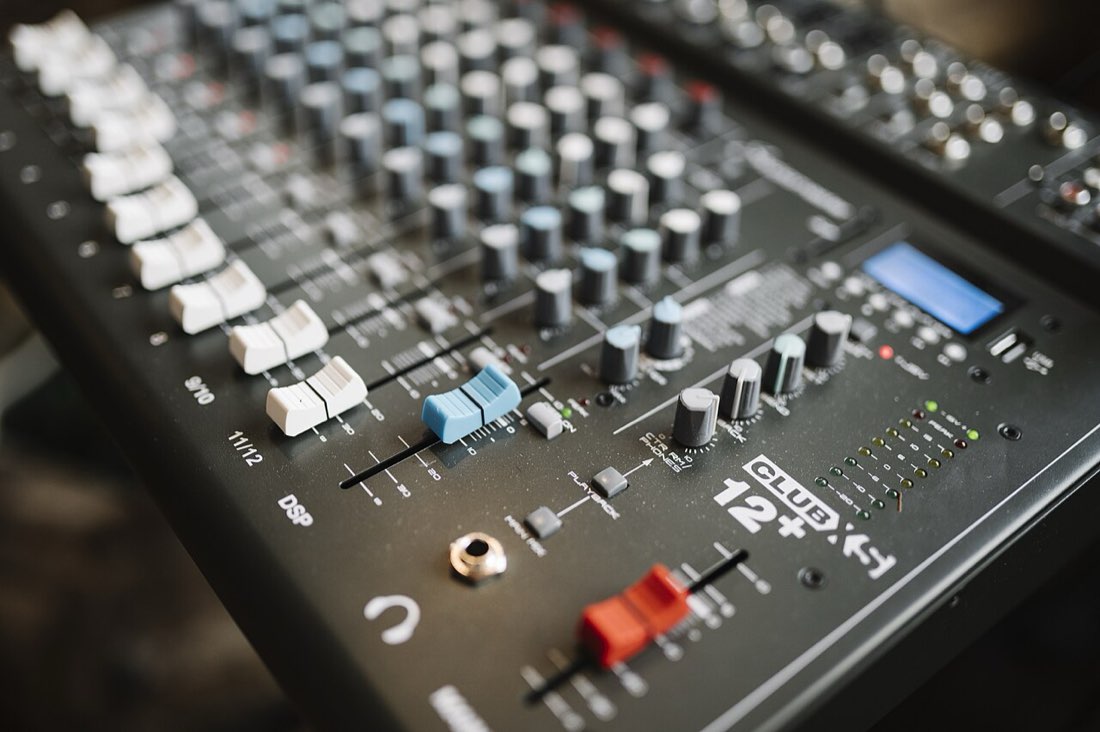
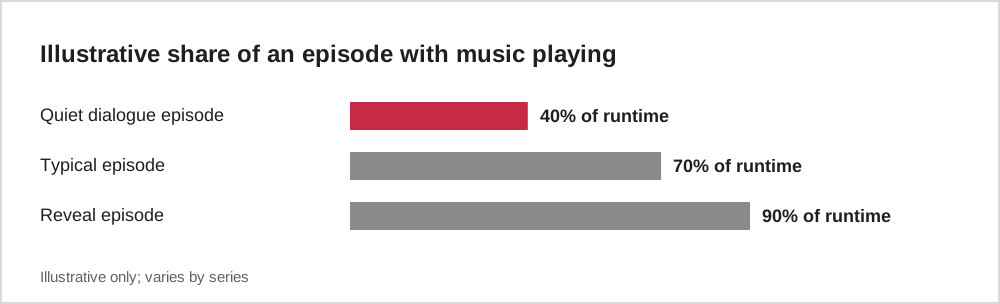
Watch a short drama with the sound off and it often feels flat. Turn the sound back on and the same scenes become tense, romantic or triumphant. In a format where every episode lasts about a minute, audio carries a large share of the storytelling. This guide looks at how it does that.
Why audio matters more in short episodes
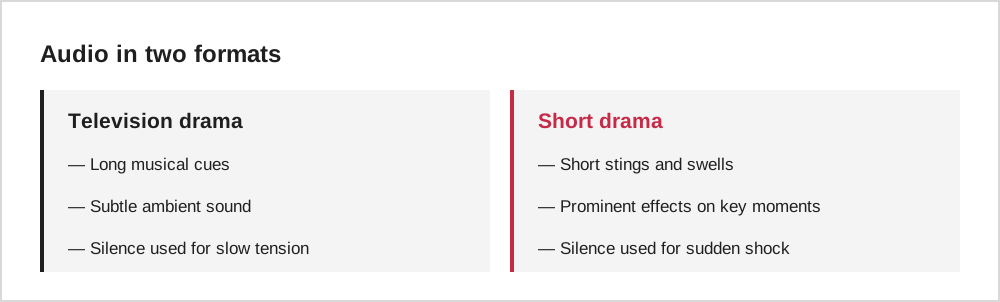
Television has time to build a mood through performances, lighting and pacing. A ninety-second episode does not. Music and sound effects tell the audience in an instant how to feel: this man is dangerous, this moment is romantic, this insult is about to backfire.
Many viewers also watch with phone speakers in noisy places. Short dramas are mixed so that dialogue and key sounds cut through, which is one reason the audio can feel louder and more emphatic than in television.
The common sound devices
| Device | What it does | Where you hear it |
|---|---|---|
| Sting | A short, sharp musical hit | At a reveal or shocked reaction |
| Swell | Music rising quickly in volume | At a romantic look or kiss |
| Whoosh | A fast rushing sound | On a sudden turn of the head or a cut |
| Bass drop | A deep low note | When a powerful character enters |
| Silence | All sound stops | Just before a slap or confession |
| Heartbeat | A slow, thudding pulse | During suspense or fear |
These devices are reused constantly because audiences learn them quickly. After a few episodes, a single sting is enough to signal that something important has happened.
Music libraries and themes
Most short dramas use music from production libraries rather than original scores, since libraries are affordable and offer many tracks for common moods. Larger productions sometimes commission a main theme for the central couple, which returns at each key moment in the relationship.
A recurring theme works like a reminder. When it plays, viewers connect the scene to earlier ones, which deepens the emotion without any extra dialogue. If you notice the same melody at the first meeting and the final reunion, that is a deliberate choice.
Dialogue clarity
Clear dialogue is the first priority. Short dramas are often shot quickly in real locations, so recordings can pick up traffic, air conditioning or echo. Sound editors clean these recordings, and some lines are re-recorded later in a studio. Subtitles add a safety net for viewers who cannot hear clearly.
When dialogue is dubbed into another language, the original music and effects are kept and the new voices are mixed on top. A well-mixed dub keeps the same balance between voices and music as the original; a weak one can make voices sound detached from the scene. Our dubbing guide explains the process.
Tips for makers
If you are making your own series, audio is one of the easiest places to improve quality. Record dialogue close to the actors with an external microphone, capture a minute of room sound at each location to help smooth edits, and choose music that is licensed for your use.
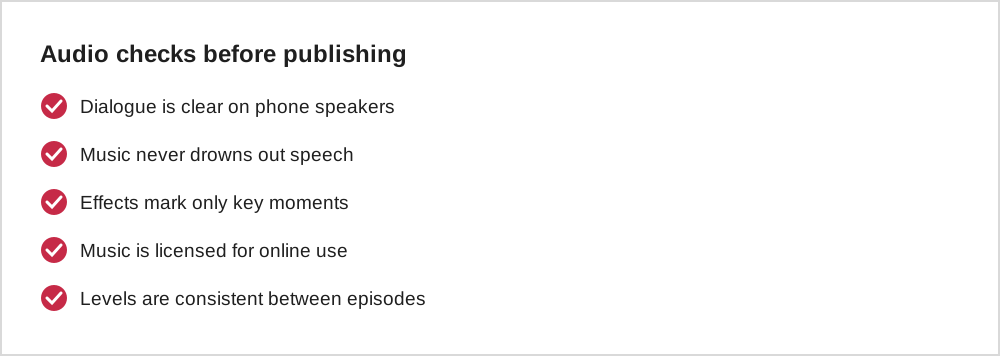
Use effects sparingly. A sting on every line makes nothing feel important. Save the strongest sounds for the moments that matter, and let silence do some of the work.
For viewers
If short dramas feel tiring after a while, the audio may be part of the reason. Constant musical cues and loud effects keep your attention at a high pitch. Lowering the volume, using headphones at a comfortable level or watching with subtitles and the sound low can make longer sessions feel calmer. Our subtitles and accessibility guide has more ideas.
Common questions
Why do so many short dramas sound similar?
They draw on similar music libraries and the same set of sound devices, chosen because audiences recognise them instantly. The familiarity is part of the format.
Can I use popular songs in my own short drama?
Not without permission. Commercial songs are protected by copyright, and platforms may mute or remove videos that use them. Royalty-free or properly licensed music is the safer choice.
The short version
In short dramas, audio tells you how to feel in seconds: stings for reveals, swells for romance and silence before a shock. Clear dialogue comes first, music and effects come second, and the best series use them with restraint.